
El Poder Transformador de los Campamentos de Verano: Un Análisis de Su Impacto Duradero
Por Aiyana Soto · · 7 min de lectura
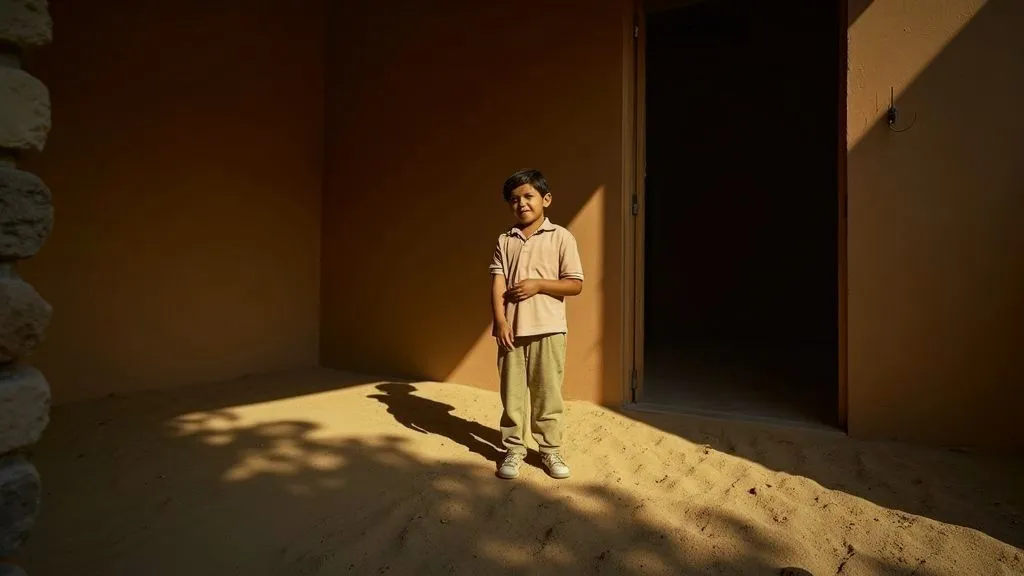
El poder transformador de los campamentos de verano no puede ser subestimado. A medida que los padres evalúan opciones para las actividades de verano de sus hijos, la elección de un campamento de verano emerge como un factor clave en la formación del crecimiento de un niño. Los campamentos de verano ofrecen un entorno rico tanto en aventura como en aprendizaje, fomentando habilidades esenciales para la vida que se extienden mucho más allá de los días soleados pasados al aire libre. En este artículo, exploraremos cómo los campamentos de verano no son solo un descanso de la educación formal, sino una plataforma crítica para desarrollar habilidades interpersonales, resiliencia e inteligencia emocional en los niños.
Una visión general de los campamentos de verano
Para apreciar el poder transformador de los campamentos de verano, es esencial entender los diferentes tipos disponibles. Desde campamentos tradicionales de pernoctación enclavados en la naturaleza hasta campamentos especializados que se centran en artes, deportes o ciencia, las opciones son vastas. Según la Asociación Americana de Campamentos (ACA), la industria de campamentos de verano en los Estados Unidos atiende a más de 14 millones de niños y jóvenes anualmente. Esta cifra refleja un reconocimiento creciente del valor del aprendizaje experiencial en un entorno estructurado pero creativo.
Los campamentos atienden a intereses diversos, alentando a los niños a participar en actividades que quizás no persigan típicamente en un entorno escolar. Por ejemplo, en un campamento tradicional, un niño podría encontrarse dominando el tiro con arco o aprendiendo a hacer piragüismo, mientras que un campamento de ciencia podría tenerlos participando en experimentos prácticos que encienden una pasión por los campos STEM.
Las habilidades sociales desarrolladas en los campamentos de verano
Uno de los componentes clave del poder transformador de los campamentos de verano es su capacidad para fomentar habilidades sociales. Los campamentos brindan a los niños oportunidades para interactuar con compañeros de diversos orígenes, mejorando así su competencia social. Según un informe publicado por la ACA, los niños que participan en campamentos de verano demuestran habilidades sociales mejoradas, mayor autoestima y mejor regulación emocional.
“El campamento de verano les da a los niños la oportunidad de alejarse de sus círculos sociales habituales y relacionarse con otros”, dice la Dra. Lisa McCarthy, psicóloga especializada en desarrollo infantil. “Aprenden a comunicarse, colaborar y resolver conflictos en un entorno dinámico y de apoyo”.
Los niños que participan en actividades grupales a menudo se encuentran en situaciones donde el trabajo en equipo es esencial. Estas experiencias les enseñan a apreciar diferentes perspectivas mientras también desarrollan empatía, una habilidad vital. Una encuesta de 2021 realizada entre directores de campamentos reveló que el 92% de los encuestados notaron mejoras significativas en la capacidad de los campistas para trabajar en grupos a lo largo del verano.
Construyendo resiliencia a través de desafíos
El poder transformador de los campamentos de verano también radica en su capacidad para inculcar resiliencia en los niños. Muchas actividades de campamento están diseñadas para empujar a los participantes fuera de sus zonas de confort, ya sea a través de la escalada en roca, la natación o la navegación de desafíos en equipo. Esta inmersión no solo desarrolla habilidades físicas, sino que también cultiva fortaleza mental.
La investigación muestra que los niños que enfrentan desafíos en un entorno de apoyo tienen más probabilidades de desarrollar habilidades para resolver problemas y resiliencia. El Dr. Michael Jones, psicólogo educativo, afirma: “La capacidad de navegar desafíos es fundamental para los niños de hoy. Los campamentos proporcionan un espacio seguro tanto para el fracaso como para el éxito, enseñando a los niños que la perseverancia es clave”.
En un estudio realizado por la Universidad de California, los investigadores encontraron que los campistas que participaron en actividades desafiantes tenían más probabilidades de asumir riesgos y abrazar nuevas experiencias más adelante en la vida. Fueron capaces de demostrar adaptabilidad y resiliencia en diversas situaciones, incluidos desafíos académicos y sociales.
Fomentando la inteligencia emocional
En los campamentos de verano, la inteligencia emocional no es solo una palabra de moda; es un aspecto fundamental de la experiencia. Los entornos de campamento fomentan el crecimiento emocional a través de actividades estructuradas y juego no estructurado, permitiendo a los niños explorar sus sentimientos mientras también aprenden sobre las emociones de los demás. A medida que los niños navegan por amistades, conflictos y tareas colaborativas, desarrollan una comprensión más profunda de su paisaje emocional.
“La inteligencia emocional es crítica para el éxito en la vida”, explica la Dra. Angela Roberts, psicóloga infantil. “Los campamentos de verano proporcionan un entorno único donde los niños pueden practicar articular sus sentimientos, reconocer las emociones de sus compañeros y desarrollar empatía. Estas habilidades son esenciales para una comunicación efectiva y relaciones saludables”.
Los estudios muestran que los niños que participan en programas de aprendizaje socioemocional (SEL), como los que a menudo se encuentran en los campamentos, exhiben un mejor rendimiento académico, un mejor comportamiento en el aula y una reducción del malestar emocional. Esta evidencia refuerza la idea de que los campamentos de verano no son solo diversión y juegos; son plataformas para el desarrollo de habilidades emocionales esenciales.
Contraargumentos: ¿Son los campamentos de verano para todos?
A pesar de los innumerables beneficios, algunos argumentan que los campamentos de verano pueden no ser adecuados para todos los niños. Las preocupaciones a menudo giran en torno al costo de la asistencia, el potencial de nostalgia y la presión para conformarse a las normas del grupo. De hecho, una encuesta de la ACA indicó que el 24% de los padres citó restricciones financieras como una barrera para enviar a sus hijos al campamento, mientras que el 18% expresó preocupación por la adaptabilidad de su hijo a dicho entorno.
Además, algunos niños con ansiedad o dificultades sociales pueden tener problemas en entornos de campamento donde se espera que participen en numerosas actividades grupales. La naturaleza competitiva de ciertos campamentos especializados puede abrumar a los niños que prosperan en situaciones de baja presión.
Sin embargo, estos desafíos a menudo pueden ser mitigados con una planificación cuidadosa. Muchos campamentos ofrecen becas o tarifas de matrícula escalonadas para acomodar a las familias necesitadas. Además, educadores y directores de campamentos pueden colaborar con los padres para asegurar que los niños con necesidades especiales o preocupaciones de ansiedad reciban el apoyo que requieren para tener una experiencia positiva.
El impacto duradero de los campamentos de verano
El aspecto más convincente del poder transformador de los campamentos de verano es su impacto duradero en los niños. Las habilidades aprendidas en el entorno del campamento a menudo se manifiestan en diversas facetas de la vida mucho después de que el sol de verano se haya puesto. Un estudio longitudinal realizado por la Universidad de Brandeis siguió a los campistas durante varios años, revelando que las personas que asistieron a campamentos de verano informaron niveles más altos de satisfacción tanto en sus vidas personales como profesionales en comparación con sus pares que no lo hicieron.
La experiencia del campamento contribuye a un sentido de pertenencia e identidad. Los campistas a menudo forman amistades que perduran, proporcionando un sistema de apoyo que se extiende más allá de los meses de verano. A medida que los niños hacen la transición a la adolescencia y la adultez, llevan consigo las lecciones aprendidas en el campamento: resiliencia, trabajo en equipo, empatía e inteligencia emocional, hacia sus futuros esfuerzos.Además, la aventura y la exploración que ofrecen los campamentos de verano juegan un papel fundamental en el desarrollo personal. Muchos exalumnos de campamentos citan su tiempo en el campamento como formativo en la configuración de sus futuras elecciones profesionales, pasatiempos y filosofías de vida. La creatividad y la espontaneidad fomentadas en el campamento a menudo se traducen en una disposición a explorar nuevas ideas y asumir riesgos calculados en la adultez.
Conclusión: Un llamado a abrazar los campamentos de verano
Al evaluar el poder transformador de los campamentos de verano, la evidencia habla por sí misma. Más allá de la mera recreación, los campamentos de verano sirven como un entorno crucial para cultivar habilidades vitales que preparan a los niños para los desafíos futuros.
Los padres que buscan oportunidades para sus hijos deben considerar los profundos beneficios que proporcionan los campamentos de verano. Con el campamento adecuado, los niños no solo disfrutan de unas vacaciones de lo académico, sino que emprenden un viaje de autodescubrimiento, resiliencia, conexión social y crecimiento emocional.
A medida que la sociedad continúa enfatizando la importancia del aprendizaje social y emocional, no se puede pasar por alto el papel de los campamentos de verano en la formación de las futuras generaciones. La experiencia del campamento de verano crea una base para habilidades de por vida que empoderan a los niños para prosperar en un mundo cada vez más complejo. Abrazar el poder transformador de los campamentos de verano puede ser una de las mejores decisiones que los padres pueden tomar para el desarrollo integral de sus hijos.
En el mundo de la educación y el crecimiento personal, los campamentos de verano no son simplemente una opción; son un paso vital hacia un futuro más brillante para los niños, equipándolos con las herramientas que necesitan para tener éxito tanto personal como profesionalmente. A través de cada viaje en canoa, historia junto a la fogata y ejercicio de trabajo en equipo, el impacto transformador de los campamentos de verano se hace evidente, revelando una narrativa de crecimiento, resiliencia y conexión que resuena a lo largo de toda una vida.